
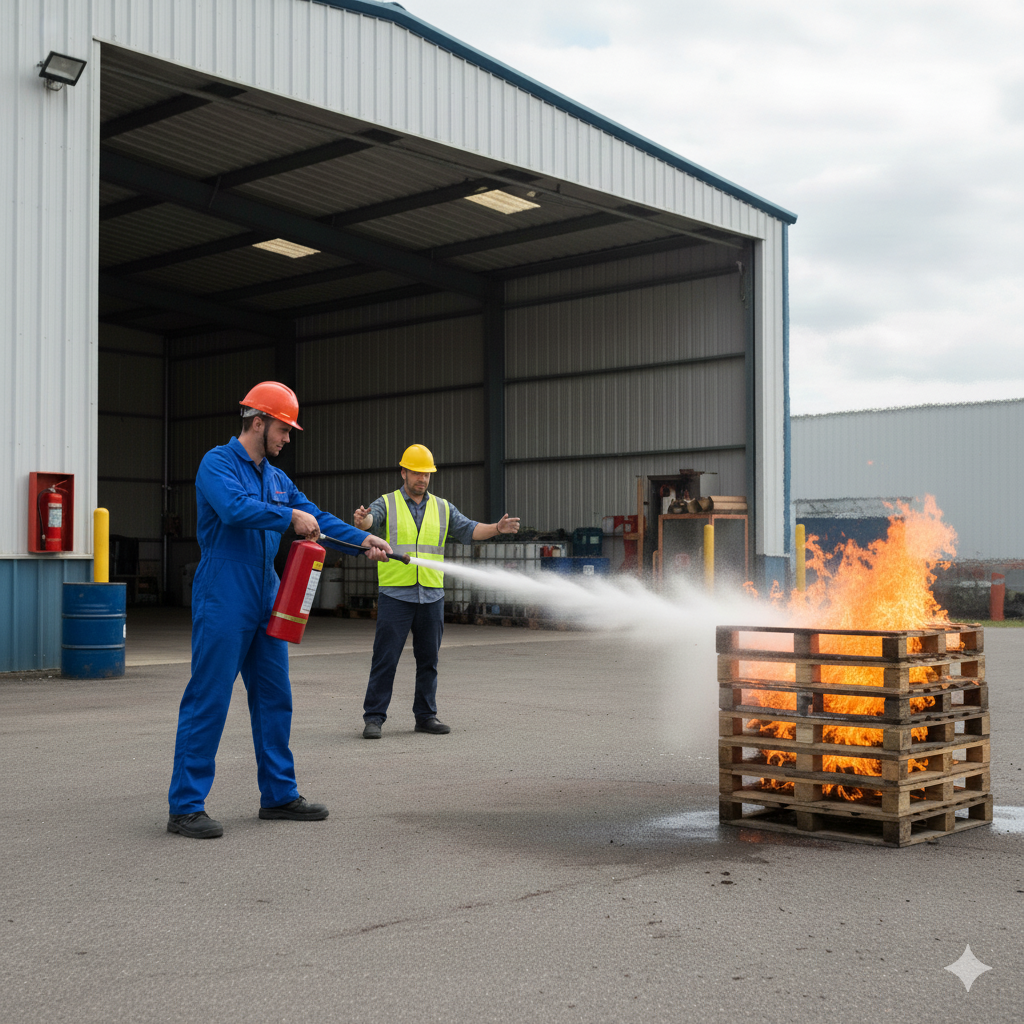
Fire Extinguisher Use: A Simple Step-by-Step Guide for Beginners
Introduction: Why Fire Safety Matters
Fire can start suddenly and spread quickly, leaving little time to react. Knowing how to use a fire extinguisher can make the difference between a small incident and a major accident. Whether at home, in an office, or a workshop, understanding basic fire safety is essential. This guide explains everything in simple steps for beginners, so anyone can feel prepared and confident.
What Is a Fire Extinguisher and When Should You Use It?
A fire extinguisher is a portable device that helps put out small fires by releasing water, foam, gas, or powder. It is designed for use only on small, manageable fires. You should use it only if you have a clear escape path, the correct type of extinguisher is available, and you know how to operate it. If a fire is large or spreading quickly, evacuating and calling the fire department is always the safest option.
Different Types of Fire Extinguishers
Not all fires are the same, and different types of fires require different extinguishers. Using the wrong extinguisher can make the fire worse. The following table shows the main types of fires and the recommended extinguisher for each:
| Fire Class | Type of Fire | Recommended Extinguisher |
| Fire 1 | Fires from wood, paper, or cloth | Water or foam extinguisher |
| Fire 2 | Fires from flammable liquids like petrol, oil, or paint | CO₂ or dry chemical extinguisher |
| Fire 3 | Electrical fires | CO₂ or dry chemical (non-conductive) |
| Fire 4 | Metal fires | Dry powder extinguisher |
| Fire 5 | Cooking oils and fats | Wet chemical extinguisher |
Choosing the right extinguisher ensures that you can put out a fire effectively without putting yourself at risk.
How to Use a Fire Extinguisher Step by Step
How Do You Use a Fire Extinguisher?
The easiest way for beginners to remember how to operate a fire extinguisher is the PASS method. This method provides a simple, step-by-step approach to safely and effectively put out small fires.
PASS Method
- P – Pull the Pin
Pulling the pin unlocks the handle and allows the extinguisher to operate. It also prevents accidental discharge before you are ready to use it. - A – Aim at the Base of the Fire
Always aim at the source of the fire, not the flames. Targeting the base ensures the fire is extinguished more efficiently. - S – Squeeze the Handle
Squeezing the handle releases the extinguishing agent, which could be water, foam, CO₂, or powder depending on the type of extinguisher. - S – Sweep Side to Side
Move the nozzle from side to side across the base of the fire. Continue until the fire is fully out, making sure not to stop until it is completely extinguished.
Safety Tips for Beginners
Fire safety is not just about knowing how to use an extinguisher. You should also follow some basic precautions. Keep a clear escape route before attempting to fight a fire, avoid touching metal parts of the extinguisher that may get hot, and never use water on electrical or oil fires. Regularly check your extinguisher for pressure, damage, and proper function, and replace or service it after any use. Storing extinguishers in accessible locations, like near the kitchen, electrical panels, workshops, or office corridors, ensures everyone knows where to find them in an emergency.
Why Fire Safety Awareness Is Important?
Fire accidents can happen in homes, offices, or workshops, and they often leave very little time to respond. Buildings built close together allow fires to spread quickly. Homes and workplaces now have more electrical appliances, machines, and wiring than ever, all of which can be fire hazards. Knowing basic fire safety, such as how to use an extinguisher or shut off power, can stop a fire before it grows out of control. Fire safety is not just a precaution — it is a life skill that protects your family, employees, and property.
Conclusion
Using a fire extinguisher is simple once you understand the correct steps and safety measures. With the right type of extinguisher, a little practice, and awareness of potential risks, beginners can manage small fires effectively and safely. Learning fire safety is essential for every home, office, and workshop.
Call to Action
Don’t wait for an emergency to happen. Get professional fire safety guidance, training, and reliable fire extinguishers from Harikripa Fire Safety. Visit harikripafiresafety today and make your home or workplace safer.